nano-banana-2
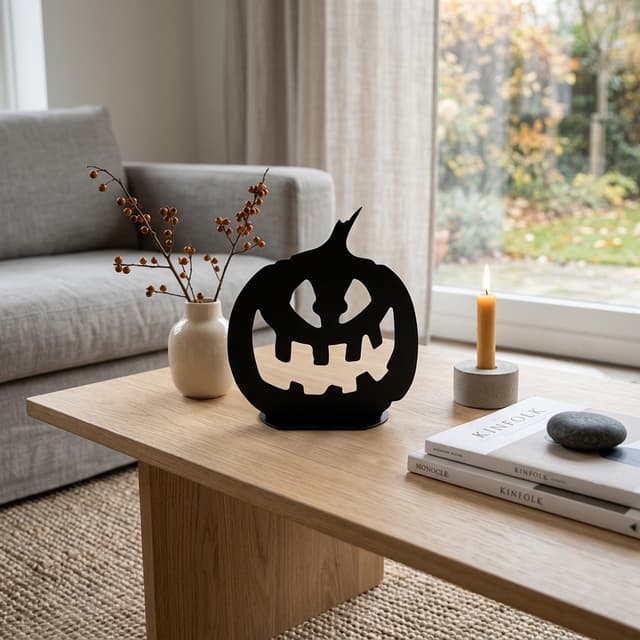
Erstelle einen Hintergrund für den Kürbiskopf aus dem Referenzbild, schönes Ambiente, evtl. auf dem Couchtisch, modern skandinavisch, Kürbiskopf etwas verkleinern
SM@Silke Mazzarella
Explore the latest creations from the community.





Erstelle einen Hintergrund für den Kürbiskopf aus dem Referenzbild, schönes Ambiente, evtl. auf dem Couchtisch, modern skandinavisch, Kürbiskopf etwas verkleinern
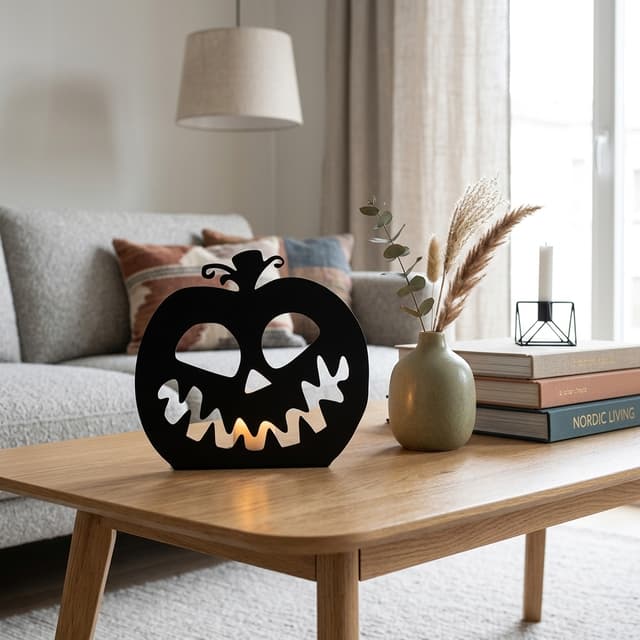
Erstelle einen Hintergrund für den Kürbiskopf aus dem Referenzbild, schönes Ambiente, evtl. auf dem Couchtisch, modern skandinavisch, Kürbiskopf etwas verkleinern

Erstelle einen Hintergrund für den Kürbiskopf aus dem Referenzbild, schönes Ambiente, evtl. auf dem Couchtisch, modern skandinavisch
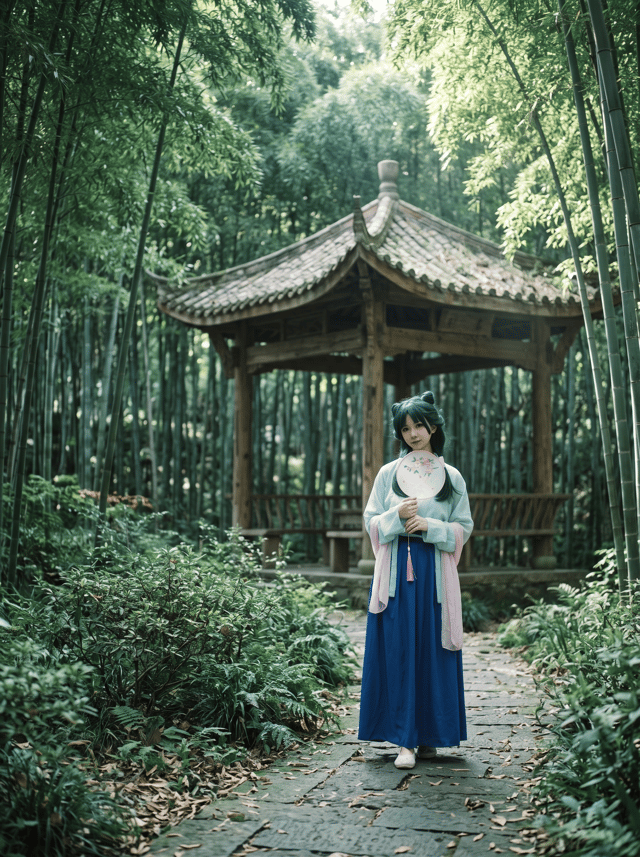
### 正向提示词(适配图二深度图背景融合,贴合原图光照逻辑) 写实摄影,中式古风竹林园林,茂密青翠的原生竹林,林间坐落一座古朴木质四角凉亭,青石板小径蜿蜒穿行,前景排布低矮翠绿灌木丛,白日柔和漫射光,竹叶缝隙漏下斑驳树影,轻微丁达尔效应,光线从画面右上方自然洒落,环境漫反射柔和,明暗过渡自然,35mm 电影定焦镜头,浅景深,背景自然虚化,焦外散景柔和,柯达金 200 胶片质感,细微胶片颗粒,低饱和青绿色调,清冷雅致氛围,空间纵深感强,植物纹理真实细腻,电影级自然光影 ### 负面提示词(针对性去除 AI 油腻感) AI 生成痕迹,油腻质感,过度锐化,高饱和失真,塑料感植物,卡通插画,手绘二次元,人物变形,面部崩坏,虚假硬阴影,过曝死黑,拼接违和,边缘生硬,过度磨皮,虚假纹理,现代建筑,现代人群,杂乱杂物
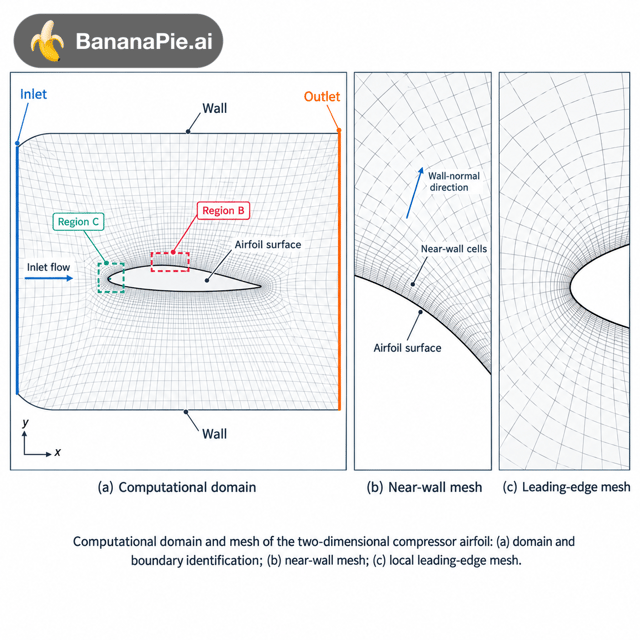
Create a publication-quality three-panel scientific figure illustrating the computational domain, boundary identification, and local mesh resolution for a two-dimensional compressor airfoil CFD model. The figure must describe the supplied computational model faithfully. Use the actual airfoil coordinates, mesh files, or mesh screenshots as geometric references whenever provided. Preserve their topology and connectivity rather than replacing them with an invented mesh. LAYOUT Use a clean landscape composition with three panels arranged from left to right: (a) Computational domain (b) Near-wall mesh (c) Local mesh detail Give panel (a) approximately 50% of the available width and panels (b) and (c) approximately 25% each. Align panel boundaries and place modest, consistently sized subfigure captions below the panels. Use a white background, restrained colours, crisp technical lines, and balanced whitespace. Do not place a large title above the figure. PANEL (a): COMPUTATIONAL DOMAIN Show the complete two-dimensional computational domain containing the compressor airfoil. Clearly identify: • Inlet • Outlet • Airfoil surface • Other boundaries actually present in the supplied model If the model uses periodic passage boundaries, label the corresponding pair “Periodic boundary” and visually indicate their correspondence. Do not introduce periodic boundaries unless they are part of the actual model. Show a small coordinate system with x and y axes and one unobtrusive inlet-flow direction arrow. Display the actual mesh sufficiently lightly that the airfoil and domain boundaries remain visually dominant. Preserve the supplied structured, unstructured, or hybrid topology. If verified domain dimensions are supplied, annotate them using the given values or chord-normalized distances. Otherwise omit dimension values. Mark two regions of interest: • Region B: a near-wall section of the airfoil • Region C: the leading-edge or trailing-edge region shown in panel (c) Use fine outlines and unobtrusive connectors to associate these regions with their enlarged views. PANEL (b): NEAR-WALL MESH Show a genuine enlarged view of Region B from the same mesh. Make the airfoil surface, first near-wall cells, and outward mesh spacing clearly visible. Show the progression from fine near-wall resolution to the surrounding mesh without exaggerating or altering the original spacing. Use only a few short labels where necessary: • Airfoil surface • Near-wall cells • Wall-normal direction If the actual mesh does not contain identifiable layered cells, preserve its true topology and use “Near-wall refinement” instead of inventing boundary-layer layers. Do not add numerical first-cell heights, layer counts, growth ratios, or y⁺ values unless they are supplied and verified. PANEL (c): LOCAL MESH DETAIL Show a genuine enlarged view of Region C, using either the leading edge or trailing edge according to the supplied data. For a leading-edge view: Show how the actual cells resolve the nose curvature and connect to the surrounding mesh. For a trailing-edge view: Show how the actual cells resolve the trailing-edge geometry and connect to the downstream region. Include wake refinement only if it exists in the supplied mesh. Do not sharpen, round, thicken, or otherwise modify the airfoil geometry to make the mesh look cleaner. Caption the panel accordingly: “(c) Leading-edge mesh” or “(c) Trailing-edge mesh” SCIENTIFIC CONSISTENCY All enlarged views must come from the same computational mesh shown in panel (a). Keep the same orientation throughout the figure. Do not mirror the airfoil or reverse the inlet and outlet between panels. Do not display crossed cell edges, disconnected cells, or invented improvements. If the source mesh contains a visible problem, retain it for review rather than silently correcting it. Do not add CFD contours, shock waves, streamlines, pressure distributions, or performance values. This figure explains the domain and mesh, not the computed flow solution. Do not include a mesh-independence curve unless actual mesh sizes and corresponding computed results are provided. Any such curve must be plotted separately from verified data. VISUAL STYLE Use: • Black or dark charcoal for the airfoil boundary • Thin neutral-grey lines for the mesh • Muted blue for inlet identification • Muted orange for outlet identification • A restrained teal accent for confirmed periodic boundaries • Dark-grey text and fine annotation leaders Mesh lines must remain distinguishable at final publication size without overwhelming the geometry. Use consistent line weights and avoid unnecessarily dense labels. Use Arial or another clean journal-compatible sans-serif font. Keep annotation text readable at approximately 8–10 pt at the final figure width of 180 mm. Subfigure captions should be only slightly larger. Avoid oversized headings, coloured background cards, gradients, shadows, three-dimensional effects, decorative icons, and watermarks. DATA AND OUTPUT REQUIREMENTS Do not invent the solver, turbulence model, operating conditions, grid size, or convergence criteria. These should be documented in a separate simulation-settings table. If actual mesh data or screenshots are unavailable, produce only a conceptual layout and visibly label it: “Conceptual schematic — not the computational mesh.” Prefer editable SVG or vector PDF output when genuinely supported. If only raster output is available, provide a high-resolution reference image without claiming it contains editable vector geometry. Suggested caption: “Computational domain and mesh of the two-dimensional compressor airfoil: (a) domain and boundary identification; (b) near-wall mesh; (c) local leading-edge or trailing-edge mesh.”
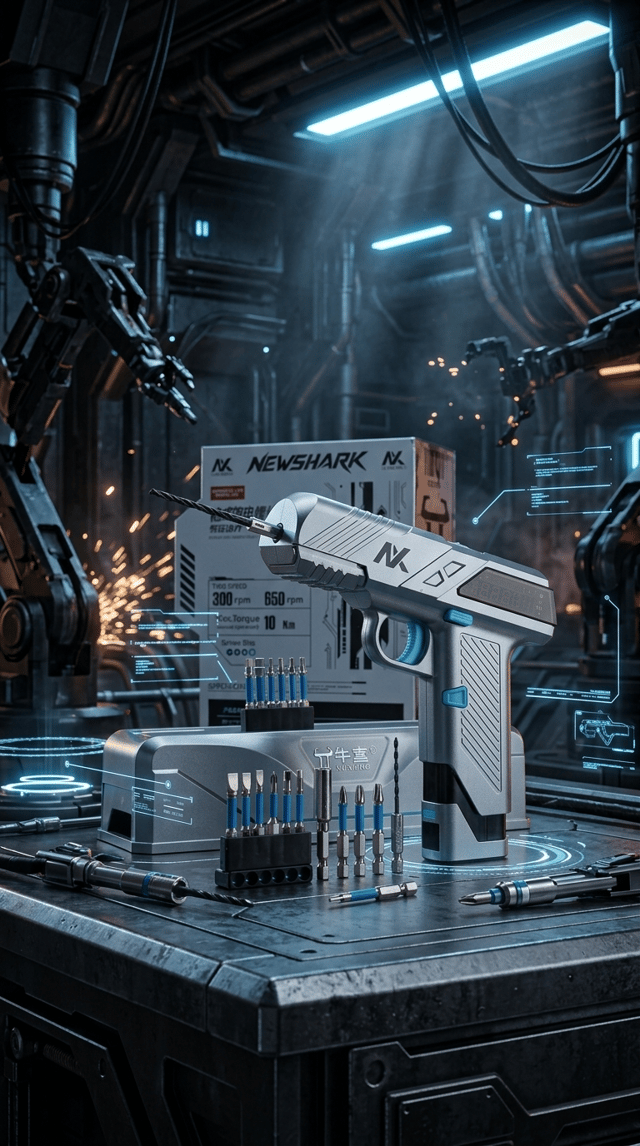
8K超高清,Keyshot商业产品渲染,佳能EOS R5,专业产品摄影,枪式锂电螺丝批,银灰机甲机身搭配青蓝色按键,旁边摆放全套批头、钻头、产品包装盒、金属收纳底座,产品完整保留原样。场景为未来科幻维修舱,工业机甲风,深色金属舱壁,悬浮蓝色全息线条,地面带发光科技圆环,背景有机械臂、嵌入式工具、长条形工业顶灯,冷蓝色霓虹光效,丁达尔光束,金属材质细腻反光,环境光柔和,产品主体清晰突出,景深,干净高级,电商主图质感,赛博朋克硬核科技车间,细节丰富,材质真实,写实摄影,产品主体结构不变
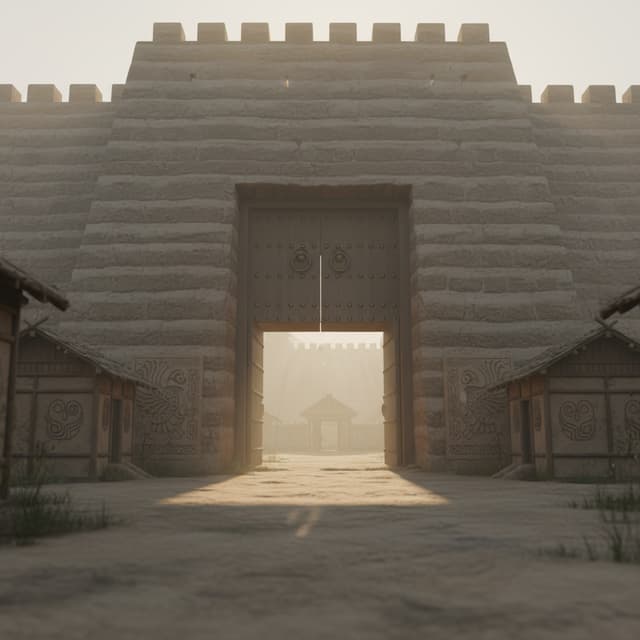
中文说明:精品,XR 电影概念图,第一人称沉浸式 VR 场景,先秦楚国城门,厚重巨大夯土墙,带有分层夯筑痕迹,巨型实木城门配青铜门环,墙体与木门在镜头前被淡淡的神性暖光逐步点亮。城门内部,古庭院自然铺展,贴合真实物理地平面,平整地面,散落楚式木屋、矮土墙,楚文化凤鸟云纹图腾,野艾与古杂草,柔和环境体积雾,朦胧拂晓氛围,电影景深,PBR 物理渲染,UE5,Niagara 大气粒子,自然阴影,土赭、灰棕色调,考古考据向,符合历史,无现代建筑,360 全景背景。modern building, concrete, cars, people, plastic, bright neon, over saturated color, deformed wall, floating objects, cartoon, anime, ugly, blurry, extra limbs, distorted perspective
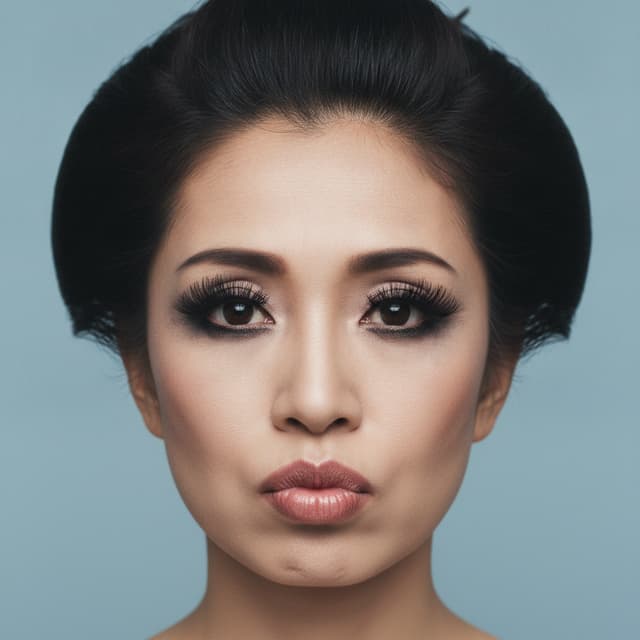
Crea fotoritratto in primo piano di donna giapponese di 48 anni con acconciatura Shimada e bocca con labbra enormi e carnose. Applica mascara pesante e gotico attorno agli occhi. Sfondo neutro colore blu chiaro. Prendi la pelle un po' più vissuta rovinata e l'età sui 50 anni e le labbra falle enormi e chiuse