Always Free · No Signup

Combine images into one PDF

Drop in photos, screenshots, or scans, put them in the order you want, and download a single PDF. Everything runs in your browser, so nothing is uploaded and nothing is watermarked.

Runs entirely in your browser. Your files never leave your device.

How to convert images to PDF

  1. 1

    Add your images

    Drop in up to 50 JPG, PNG, WebP, or HEIC files. They stay on your device — the conversion happens in the browser.

  2. 2

    Put the pages in order

    Use the up and down arrows to reorder pages, and remove any image you do not want. Each image becomes one page.

  3. 3

    Pick a page size and download

    Choose A4, US Letter, or match each image, set the margin, then press Create PDF and save the file.

Image to PDF questions

Drop all of your JPG files in at once, or add them in batches — every image you add becomes one page. Drag order is set with the up and down arrows next to each row, and pressing Create PDF merges the whole list into a single document. There is no separate merge step and no file to upload.

For JPG photos, no. The original JPG data is embedded into the PDF byte for byte, so the picture inside the PDF is pixel-identical to the file you started with. PNG files are flattened onto a white background and compressed by default, which is usually invisible; turn on "Keep PNG lossless" if you need them untouched.

Pick A4 if you are in Europe or Asia and US Letter if you are in North America — those are what office printers expect. Choose "Match image" when the PDF is meant for screens rather than paper: each page takes the exact proportions of its image, so there are no white bars around your photos.

Yes. Each row in the list has up and down arrows that move that image one position, and an X that removes it. The numbers on the left always show the final page order, so what you see in the list is exactly what you get in the PDF.

You can combine up to 50 images totalling 200 MB in one document. That ceiling exists because everything is processed in your browser's memory; if you hit it, split the job into two PDFs. Images larger than 4096 pixels on the long edge are scaled down to that size first.

Fit shows the entire image and leaves blank space when the image and the page have different proportions — the safe choice for documents, receipts, and scans where nothing may be cut off. Fill scales the image until it covers the page and crops the overflowing edges, which looks better for photo books and portfolios.

The document never leaves your device. The PDF is put together on your own machine, so there is no upload step and nothing on our side to store, subpoena, or leak. There is a second reason this matters for scans: a JPG page under 4096 pixels goes into the PDF exactly as it is rather than being re-saved, so the text in a contract stays as sharp as the scan you started with.

More free tools

Beyond the Document

Make the Pages, Not Just the File

Bundling images into a PDF is the last step of a job that started somewhere else. The studio is where those pages come from — covers, product shots, diagrams and illustrations, all generated from a written brief.

  • Generate the cover image for a proposal or report
  • Redraw a rough diagram or mockup from a description
  • Keep one visual style across every page
Explore Studio Features
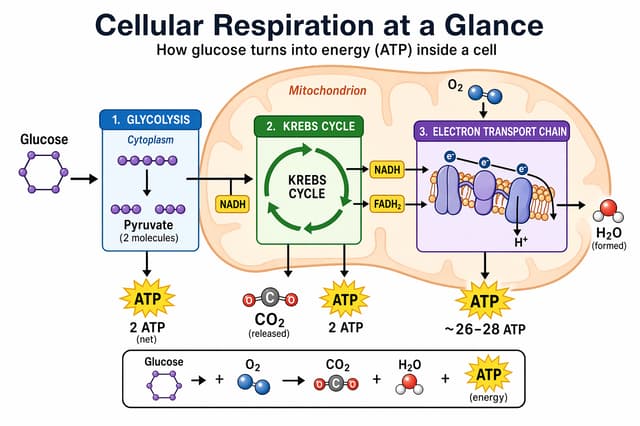
A cellular respiration infographic generated as a ready-to-place document page