Banana Pie
首页模型定价灵感广场博客
免费工具
背景移除器一键抠出主体,生成透明 PNG图片压缩工具按画质或指定 KB 大小压缩图片尺寸调整工具调整为任意尺寸或社交平台预设图片格式转换工具HEIC、WebP、PNG、JPG 格式互转AI 图片放大工具用 AI 将照片放大 4 倍图片转文字(OCR)从截图和扫描件中提取文字
全部工具
首页模型定价灵感广场博客
免费工具背景移除器图片压缩工具图片尺寸调整工具图片格式转换工具AI 图片放大工具图片转文字(OCR)全部工具
开始使用
开始使用

灵感广场

探索社区的最新创作。

当前热门

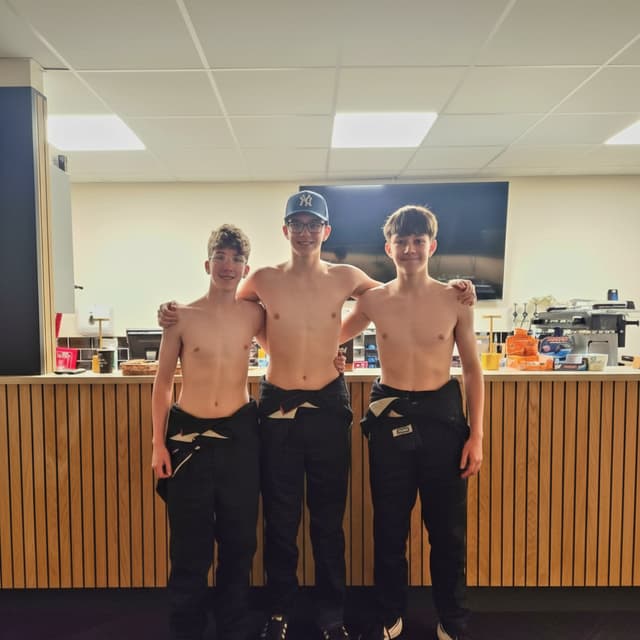
Make us shirtless
热门第 1 名nano-banana

Make us shirtless

@Jylin lorin
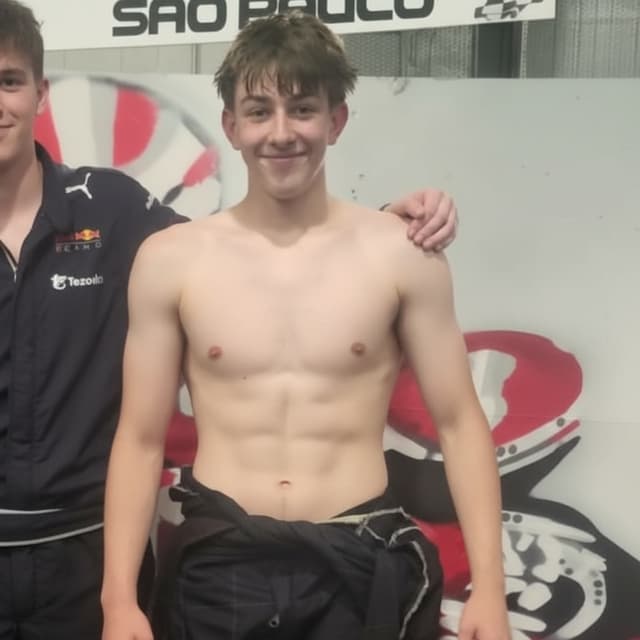
Take his shirt off
热门第 2 名nano-banana

Take his shirt off

@Jylin lorin
Giữ chính xác đường nét khuôn mặt, đeo kính của  2  nhân vật vietnamese  nam và nữ  ĐỘ TUỔI 40S   trong ảnh tham chiếu. Panel 4] The final storyboard panel. A dramatic split-focus shot. In the foreground, the woman walks out into the heavy rain, her back turned to the camera under a black umbrella. In the background, inside the diner, the man's blurry silhouette stays behind, looking down. Raindrops fracturing the neon lights, a powerful image of endless
热门第 3 名gpt-image-2

Giữ chính xác đường nét khuôn mặt, đeo kính của 2 nhân vật vietnamese nam và nữ ĐỘ TUỔI 40S trong ảnh tham chiếu. Panel 4] The final storyboard panel. A dramatic split-focus shot. In the foreground, the woman walks out into the heavy rain, her back turned to the camera under a black umbrella. In the background, inside the diner, the man's blurry silhouette stays behind, looking down. Raindrops fracturing the neon lights, a powerful image of endless

fred Tran@fred Tran
Giữ chính xác đường nét khuôn mặt, đeo kính của  2  nhân vật vietnamese  nam và nữ  ĐỘ TUỔI 40S   trong ảnh tham chiếu. [Panel 3] A wide shot storyboard panel. The man and the woman sitting opposite each other inside the dark, nostalgic vintage diner. A single dim lamp hangs above them, creating a warm pool of light amid the surrounding shadows. Outside the window, a lonely, rainy city street at midnight. Highly cinematic, somber and poetic atmosphere, 8k resolution.
热门第 4 名gpt-image-2

Giữ chính xác đường nét khuôn mặt, đeo kính của 2 nhân vật vietnamese nam và nữ ĐỘ TUỔI 40S trong ảnh tham chiếu. [Panel 3] A wide shot storyboard panel. The man and the woman sitting opposite each other inside the dark, nostalgic vintage diner. A single dim lamp hangs above them, creating a warm pool of light amid the surrounding shadows. Outside the window, a lonely, rainy city street at midnight. Highly cinematic, somber and poetic atmosphere, 8k resolution.

fred Tran@fred Tran
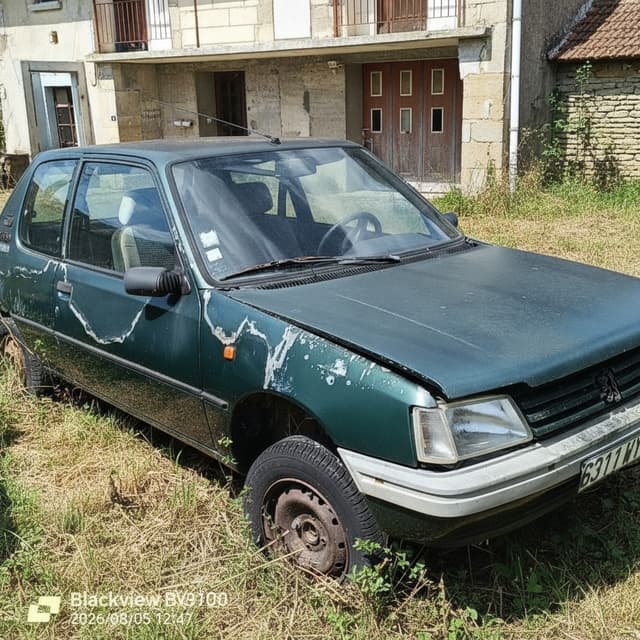
remove the other cars in the background. Keep the main car unchanged please
nano-banana

remove the other cars in the background. Keep the main car unchanged please

K@Killian
remove the other cars in the background
nano-banana

remove the other cars in the background

K@Killian
verändere das bild so dass da keine Personen im hintergrund sind und die Zuckertüten mit gesichtern umändern zu zuckertüten mit mustern
nano-banana

verändere das bild so dass da keine Personen im hintergrund sind und die Zuckertüten mit gesichtern umändern zu zuckertüten mit mustern

Z@Zelda
cs2 pfp tiktok
gpt-image-2

cs2 pfp tiktok

b@blob
cs2 pfp tiktok
nano-banana

cs2 pfp tiktok

b@blob
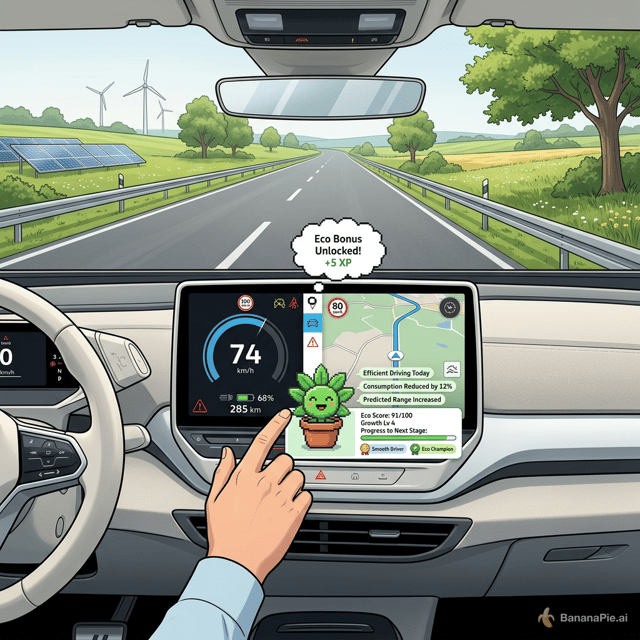
Professional automotive HMI concept illustration for a Volkswagen electric vehicle. Realistic modern car cockpit interior with a driver interacting naturally with the central infotainment display while driving on a normal paved public road.

The vehicle is traveling through a sustainable and environmentally friendly landscape consisting of green fields, meadows, trees, renewable energy infrastructure, solar panels and wind turbines in the distance. The car remains on a realistic roadway with proper lane markings and never drives off-road, through forests, grasslands or natural areas. Surrounding nature should appear harmonious and accessible from the road, creating a realistic sustainable mobility scenario.

The vehicle display must remain realistic and functional. Speedometer, current vehicle speed, battery/range indicator, navigation map, driving information, warning icons and vehicle status are clearly visible and remain the primary content of the screen.

Bloomji is integrated as an intelligent companion widget within the interface, occupying only a small section of the display (approximately 10-15% of the screen). Bloomji is positioned in the center-lower area of the infotainment system without obstructing safety-critical driving information.

Bloomji appears as a cute Tamagotchi-style pixel-art plant in a flowerpot inspired by the Bloomji logo. The character is alive, expressive and reacts emotionally to the driver's behavior.

The AI system continuously analyzes:
- current vehicle speed
- detected speed limits from navigation data
- route characteristics
- traffic conditions
- acceleration patterns
- braking behavior
- energy efficiency
- driving smoothness
- consumption forecasts
- environmental impact
- upcoming road conditions

Bloomji's emotions change dynamically:

Happy Bloomji:
- vibrant green leaves
- healthy growth
- cheerful appearance
- shown when driving efficiently and within speed limits

Neutral Bloomji:
- normal appearance
- average growth
- displayed during standard driving

Concerned Bloomji:
- slightly drooping leaves
- visible concern indicators
- triggered when the driver exceeds speed limits moderately

Sad Bloomji:
- wilted appearance
- faded leaf colors
- activated when repeatedly driving significantly faster than allowed or consuming excessive energy

The navigation system is intelligently connected to Bloomji and allows predictive eco-driving feedback. Bloomji understands speed limits ahead, route topology and predicted energy consumption.

Small contextual messages appear:
"Efficient driving today"
"Consumption reduced by 12%"
"Speed limit ahead"
"Reduce speed to preserve range"
"Eco bonus unlocked"
"Predicted range increased"
"Smooth driving detected"

Gamification features:
- Eco Score (91/100)
- Bloomji Growth Level
- Progress bar to next evolution stage
- Unlockable skins
- Reward badges
- Sustainable driving achievements
- Driving challenges
- Environmental milestones

The interface clearly communicates that Bloomji grows, evolves and becomes happier through environmentally responsible driving behavior. Sustainable driving improves Bloomji's health and progression, while inefficient driving impacts its mood and development.

Volkswagen design language, premium automotive UX, realistic infotainment system, clean modern HMI, highly detailed concept art, believable user interface, presentation-quality industrial design visualization, intuitive human-machine interaction, sustainable mobility innovation, realistic road environment, realistic vehicle operation, high-end automotive concept rendering, bright and inspiring atmosphere, no empty space, professional design thinking project illustration.
nano-banana-2

Professional automotive HMI concept illustration for a Volkswagen electric vehicle. Realistic modern car cockpit interior with a driver interacting naturally with the central infotainment display while driving on a normal paved public road. The vehicle is traveling through a sustainable and environmentally friendly landscape consisting of green fields, meadows, trees, renewable energy infrastructure, solar panels and wind turbines in the distance. The car remains on a realistic roadway with proper lane markings and never drives off-road, through forests, grasslands or natural areas. Surrounding nature should appear harmonious and accessible from the road, creating a realistic sustainable mobility scenario. The vehicle display must remain realistic and functional. Speedometer, current vehicle speed, battery/range indicator, navigation map, driving information, warning icons and vehicle status are clearly visible and remain the primary content of the screen. Bloomji is integrated as an intelligent companion widget within the interface, occupying only a small section of the display (approximately 10-15% of the screen). Bloomji is positioned in the center-lower area of the infotainment system without obstructing safety-critical driving information. Bloomji appears as a cute Tamagotchi-style pixel-art plant in a flowerpot inspired by the Bloomji logo. The character is alive, expressive and reacts emotionally to the driver's behavior. The AI system continuously analyzes: - current vehicle speed - detected speed limits from navigation data - route characteristics - traffic conditions - acceleration patterns - braking behavior - energy efficiency - driving smoothness - consumption forecasts - environmental impact - upcoming road conditions Bloomji's emotions change dynamically: Happy Bloomji: - vibrant green leaves - healthy growth - cheerful appearance - shown when driving efficiently and within speed limits Neutral Bloomji: - normal appearance - average growth - displayed during standard driving Concerned Bloomji: - slightly drooping leaves - visible concern indicators - triggered when the driver exceeds speed limits moderately Sad Bloomji: - wilted appearance - faded leaf colors - activated when repeatedly driving significantly faster than allowed or consuming excessive energy The navigation system is intelligently connected to Bloomji and allows predictive eco-driving feedback. Bloomji understands speed limits ahead, route topology and predicted energy consumption. Small contextual messages appear: "Efficient driving today" "Consumption reduced by 12%" "Speed limit ahead" "Reduce speed to preserve range" "Eco bonus unlocked" "Predicted range increased" "Smooth driving detected" Gamification features: - Eco Score (91/100) - Bloomji Growth Level - Progress bar to next evolution stage - Unlockable skins - Reward badges - Sustainable driving achievements - Driving challenges - Environmental milestones The interface clearly communicates that Bloomji grows, evolves and becomes happier through environmentally responsible driving behavior. Sustainable driving improves Bloomji's health and progression, while inefficient driving impacts its mood and development. Volkswagen design language, premium automotive UX, realistic infotainment system, clean modern HMI, highly detailed concept art, believable user interface, presentation-quality industrial design visualization, intuitive human-machine interaction, sustainable mobility innovation, realistic road environment, realistic vehicle operation, high-end automotive concept rendering, bright and inspiring atmosphere, no empty space, professional design thinking project illustration.

HM@Hendrik Müller
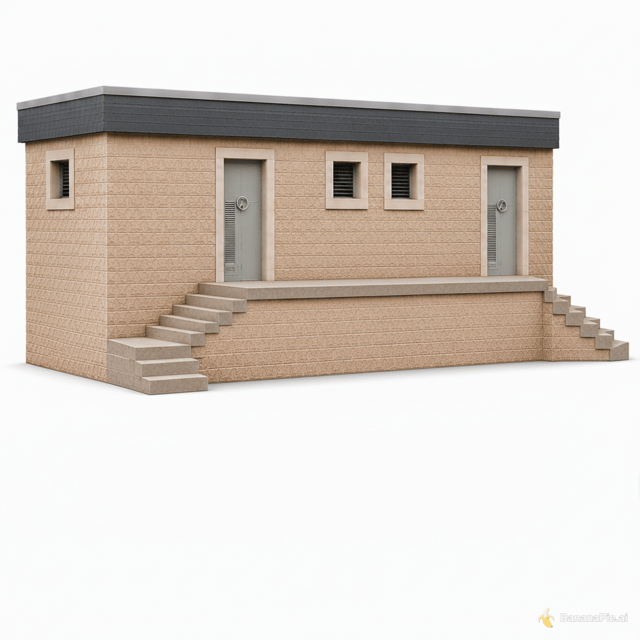
Die hintere Treppe soll dem Gleichen Aufbau wie der vorderen folgen, also vom Türrahmen aus erst nach hinten unten führen und dort von einer unterbrechung nach unten rechts führen. Verändere sonst keine Details, Porportionen oder Abmessungen an dem Bild
nano-banana

Die hintere Treppe soll dem Gleichen Aufbau wie der vorderen folgen, also vom Türrahmen aus erst nach hinten unten führen und dort von einer unterbrechung nach unten rechts führen. Verändere sonst keine Details, Porportionen oder Abmessungen an dem Bild

f@ffff
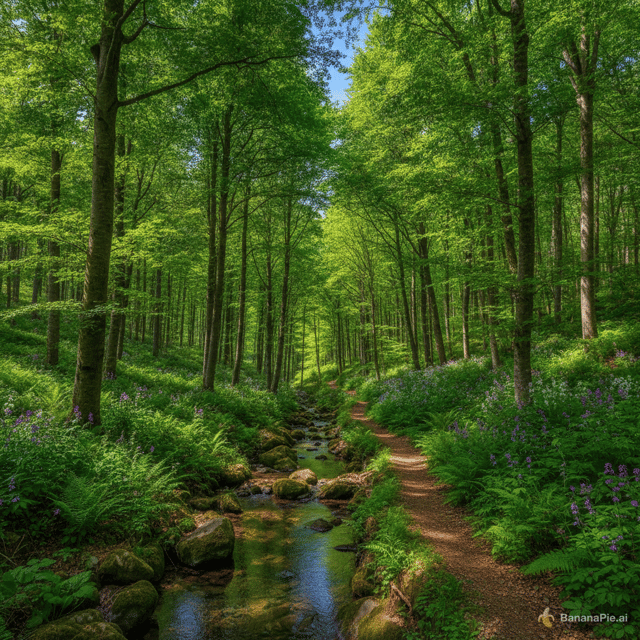
Field observations → Spectral indicators → PCA-weighted FHI → Validation → 2016–2025 forest-health dynamics Reliable assessment of forest health requires approaches that can integrate multidimensional field observations with spatially continuous environmental monitoring. However, standardized field assessments are inherently spatially limited, whereas satellite-based indicators may provide incomplete representations of forest condition when used without field validation. This study developed and evaluated an integrated framework for spatially explicit forest health assessment by combining standardized field observations with multi-temporal multispectral satellite imagery in the lowland Hyrcanian forests of northern Iran. Field surveys followed the USDA Forest Health Monitoring (FHM) protocol using a systematic 1 km × 1 km cluster sampling design comprising 42 sampling clusters and 168 plots. Four complementary dimensions of forest condition—Forest Diversity (FD), Crown and Stem Condition (CSC), Deadwood (DW), and Natural Regeneration (NR)—were integrated to derive a field-based Forest Health Score (FHS). Eight satellite-derived indicators were directionally standardized and objectively weighted using Principal Component Analysis (PCA) to construct a composite Forest Health Index (FHI). Landsat-8, Sentinel-2, and a fused Landsat-8/Sentinel-2 dataset were evaluated against field-derived FHS to identify the satellite approach providing the strongest representation of observed forest condition. The first principal component explained 72.4% of the total variance, with NDVI and MSAVI2 contributing most strongly to the composite index. Sentinel-2 showed the strongest agreement with field observations, explaining 63% of the variation in FHS (R² = 0.63), and outperformed both Landsat-8 and the fused dataset. Field observations revealed substantial spatial differences among the four forest districts, with Gisom-1 exhibiting the highest forest health and Tolaroud-3 showing the strongest evidence of ecological degradation. Multi-temporal Sentinel-2 assessment during 2016–2025 indicated a slight overall decline in forest health accompanied by pronounced spatial heterogeneity, including localized areas of improvement and degradation. The results demonstrate that field-validated satellite indicators can provide a scalable approach for translating multidimensional ecological observations into spatially continuous and temporally consistent information on forest condition. The proposed framework can support the identification of forest-health hotspots, prioritization of field inspections and management interventions, and long-term environmental monitoring in heterogeneous temperate forests.
nano-banana

Field observations → Spectral indicators → PCA-weighted FHI → Validation → 2016–2025 forest-health dynamics Reliable assessment of forest health requires approaches that can integrate multidimensional field observations with spatially continuous environmental monitoring. However, standardized field assessments are inherently spatially limited, whereas satellite-based indicators may provide incomplete representations of forest condition when used without field validation. This study developed and evaluated an integrated framework for spatially explicit forest health assessment by combining standardized field observations with multi-temporal multispectral satellite imagery in the lowland Hyrcanian forests of northern Iran. Field surveys followed the USDA Forest Health Monitoring (FHM) protocol using a systematic 1 km × 1 km cluster sampling design comprising 42 sampling clusters and 168 plots. Four complementary dimensions of forest condition—Forest Diversity (FD), Crown and Stem Condition (CSC), Deadwood (DW), and Natural Regeneration (NR)—were integrated to derive a field-based Forest Health Score (FHS). Eight satellite-derived indicators were directionally standardized and objectively weighted using Principal Component Analysis (PCA) to construct a composite Forest Health Index (FHI). Landsat-8, Sentinel-2, and a fused Landsat-8/Sentinel-2 dataset were evaluated against field-derived FHS to identify the satellite approach providing the strongest representation of observed forest condition. The first principal component explained 72.4% of the total variance, with NDVI and MSAVI2 contributing most strongly to the composite index. Sentinel-2 showed the strongest agreement with field observations, explaining 63% of the variation in FHS (R² = 0.63), and outperformed both Landsat-8 and the fused dataset. Field observations revealed substantial spatial differences among the four forest districts, with Gisom-1 exhibiting the highest forest health and Tolaroud-3 showing the strongest evidence of ecological degradation. Multi-temporal Sentinel-2 assessment during 2016–2025 indicated a slight overall decline in forest health accompanied by pronounced spatial heterogeneity, including localized areas of improvement and degradation. The results demonstrate that field-validated satellite indicators can provide a scalable approach for translating multidimensional ecological observations into spatially continuous and temporally consistent information on forest condition. The proposed framework can support the identification of forest-health hotspots, prioritization of field inspections and management interventions, and long-term environmental monitoring in heterogeneous temperate forests.

RJ@Roghayeh Jahdi
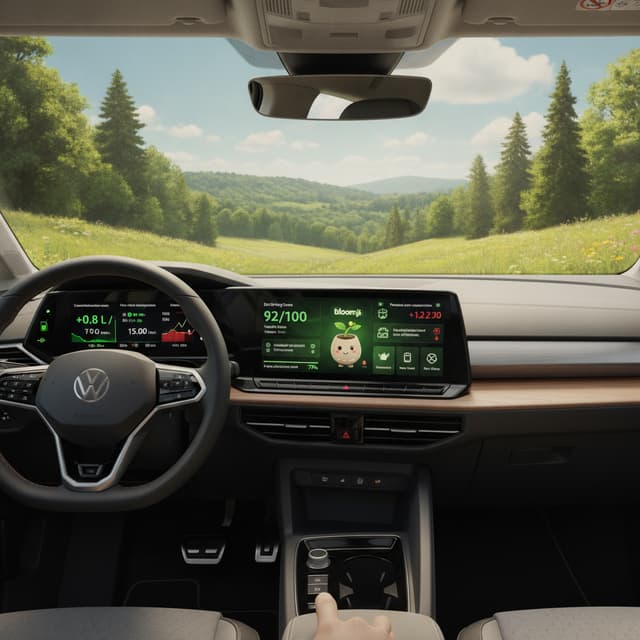
Professional Volkswagen HMI concept illustration, realistic modern electric vehicle interior with a large infotainment touchscreen and digital instrument cluster. The vehicle is driving through a beautiful natural landscape with green forests, rolling hills, trees, wildflowers, clear blue sky, sunlight and a bright sustainable environment visible through the windshield and side windows. The atmosphere is optimistic, fresh, vibrant and inspiring, not dark, gloomy or indoors.

The car interior remains realistic, premium and production-ready with authentic Volkswagen design language, realistic materials, lighting and proportions.

The central infotainment display features the Bloomji system. Replace all generic leaf icons with the official Bloomji character: a cute Tamagotchi-style plant in a flowerpot, matching the Bloomji logo design, adapted consistently throughout the interface. Bloomji is the main focus of the screen and appears alive, growing and reacting to the driver's behavior.

The interface visualizes eco-driving gamification:
- Bloomji growth stage and health status
- Eco driving score
- Sustainability achievements
- Driving tips
- Progress bar to next Bloomji evolution level
- Rewards and unlockable skins

The digital instrument cluster behind the steering wheel features a real-time eco-impact analysis system. A clear green and red visualization shows:
- Fuel saved through efficient driving
- Additional fuel consumed due to current driving behavior
- Money saved in green (€)
- Additional costs in red (€)

The system intelligently analyzes:
- current speed limit
- actual vehicle speed
- average consumption of the vehicle
- acceleration behavior
- route conditions
- driving efficiency
- nearby fuel prices

The dashboard clearly shows:
"Current behaviour saves: +0.8 L / +€1.45" in green
and
"Potential extra consumption: +1.2 L / +€2.30" in red

The displays look realistic and integrated into the vehicle UI, not like a mobile app. The driver is interacting directly with Bloomji through the vehicle touchscreen, demonstrating an intuitive in-vehicle user experience.

High-end automotive UX design, concept-car presentation quality, sustainability-focused mobility innovation, realistic rendering, bright natural lighting, modern Volkswagen design style, award-winning design presentation, highly detailed, no empty space, visually balanced composition, professional innovation project visualization.

nano-banana

Professional Volkswagen HMI concept illustration, realistic modern electric vehicle interior with a large infotainment touchscreen and digital instrument cluster. The vehicle is driving through a beautiful natural landscape with green forests, rolling hills, trees, wildflowers, clear blue sky, sunlight and a bright sustainable environment visible through the windshield and side windows. The atmosphere is optimistic, fresh, vibrant and inspiring, not dark, gloomy or indoors. The car interior remains realistic, premium and production-ready with authentic Volkswagen design language, realistic materials, lighting and proportions. The central infotainment display features the Bloomji system. Replace all generic leaf icons with the official Bloomji character: a cute Tamagotchi-style plant in a flowerpot, matching the Bloomji logo design, adapted consistently throughout the interface. Bloomji is the main focus of the screen and appears alive, growing and reacting to the driver's behavior. The interface visualizes eco-driving gamification: - Bloomji growth stage and health status - Eco driving score - Sustainability achievements - Driving tips - Progress bar to next Bloomji evolution level - Rewards and unlockable skins The digital instrument cluster behind the steering wheel features a real-time eco-impact analysis system. A clear green and red visualization shows: - Fuel saved through efficient driving - Additional fuel consumed due to current driving behavior - Money saved in green (€) - Additional costs in red (€) The system intelligently analyzes: - current speed limit - actual vehicle speed - average consumption of the vehicle - acceleration behavior - route conditions - driving efficiency - nearby fuel prices The dashboard clearly shows: "Current behaviour saves: +0.8 L / +€1.45" in green and "Potential extra consumption: +1.2 L / +€2.30" in red The displays look realistic and integrated into the vehicle UI, not like a mobile app. The driver is interacting directly with Bloomji through the vehicle touchscreen, demonstrating an intuitive in-vehicle user experience. High-end automotive UX design, concept-car presentation quality, sustainability-focused mobility innovation, realistic rendering, bright natural lighting, modern Volkswagen design style, award-winning design presentation, highly detailed, no empty space, visually balanced composition, professional innovation project visualization.

HM@Hendrik Müller
create a logo for a brand that is named perfumo di magneto because it magnetizes a loving partner make it elegant and magnet based and main colors are pink, purple, blue and red, and feel free to use color gradients and make it look like a magnet is magnetizing a perfume
nano-banana

create a logo for a brand that is named perfumo di magneto because it magnetizes a loving partner make it elegant and magnet based and main colors are pink, purple, blue and red, and feel free to use color gradients and make it look like a magnet is magnetizing a perfume

a@aina
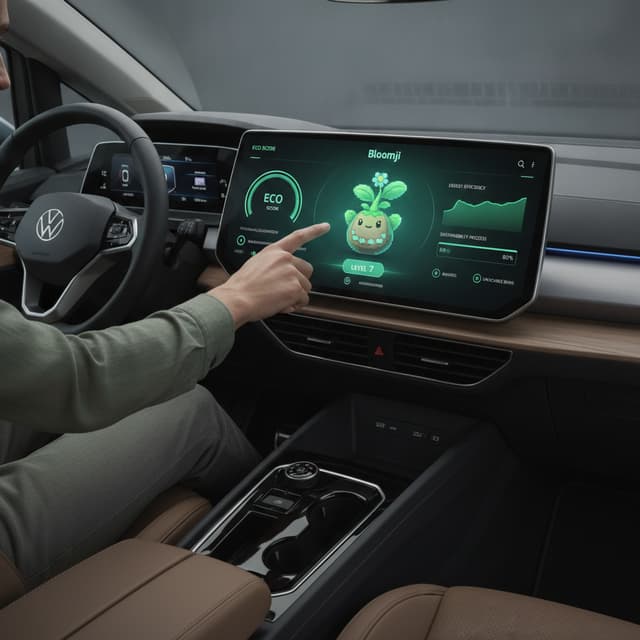
Professional automotive HMI concept art for Volkswagen. Inside a modern electric vehicle, a driver interacts with a large central touchscreen. The display shows "Bloomji", a cute Tamagotchi-style pixel plant in a flower pot, acting as a virtual companion. Bloomji is large and clearly visible in the center of the screen. Around Bloomji, an intuitive eco-driving dashboard displays driving style analysis, eco score, energy efficiency, smooth acceleration, regenerative braking, and sustainability progress.

The plant visibly grows and becomes healthier based on environmentally conscious driving behavior. The interface includes gamification elements such as level progression, rewards, achievements, unlockable skins, and growth stages. Clean Volkswagen-inspired UI design, green and blue color palette, futuristic but realistic infotainment system, intuitive user experience, sustainable mobility, positive feedback system.

The driver is touching the Bloomji widget directly on the vehicle screen, showing that Bloomji can be controlled through the infotainment display. Modern cockpit, premium Volkswagen interior, highly detailed, realistic lighting, professional concept illustration for an innovation presentation, storytelling focus on eco-driving and user engagement, no empty space, presentation-ready quality.
nano-banana

Professional automotive HMI concept art for Volkswagen. Inside a modern electric vehicle, a driver interacts with a large central touchscreen. The display shows "Bloomji", a cute Tamagotchi-style pixel plant in a flower pot, acting as a virtual companion. Bloomji is large and clearly visible in the center of the screen. Around Bloomji, an intuitive eco-driving dashboard displays driving style analysis, eco score, energy efficiency, smooth acceleration, regenerative braking, and sustainability progress. The plant visibly grows and becomes healthier based on environmentally conscious driving behavior. The interface includes gamification elements such as level progression, rewards, achievements, unlockable skins, and growth stages. Clean Volkswagen-inspired UI design, green and blue color palette, futuristic but realistic infotainment system, intuitive user experience, sustainable mobility, positive feedback system. The driver is touching the Bloomji widget directly on the vehicle screen, showing that Bloomji can be controlled through the infotainment display. Modern cockpit, premium Volkswagen interior, highly detailed, realistic lighting, professional concept illustration for an innovation presentation, storytelling focus on eco-driving and user engagement, no empty space, presentation-ready quality.

HM@Hendrik Müller
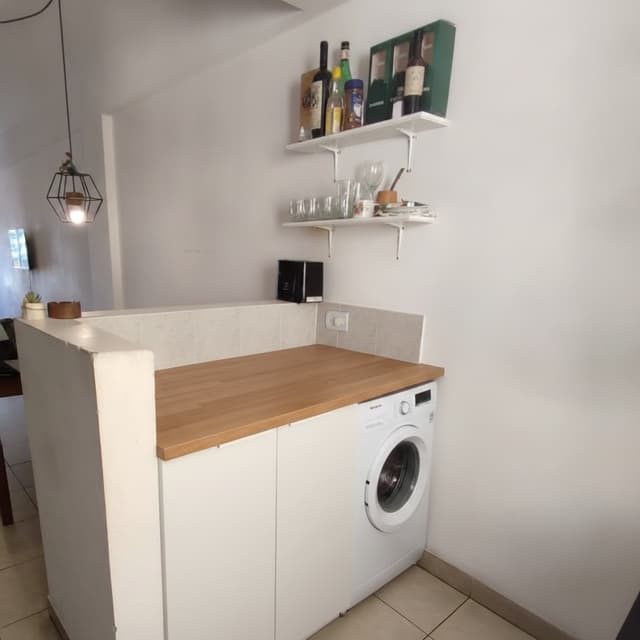
Lavadero de diseño tipo carpintería a medida, encimera de roble claro macizo de 4 cm de espesor, mueble blanco mate con sistema push-open, lavadora integrada bajo encimera a la derecha, almacenamiento oculto a la izquierda, estética minimalista escandinava, interiorismo moderno, fotografía hiperrealista, iluminación natural, no empty space, high-end custom cabinetry, luxury apartment laundry area.
nano-banana

Lavadero de diseño tipo carpintería a medida, encimera de roble claro macizo de 4 cm de espesor, mueble blanco mate con sistema push-open, lavadora integrada bajo encimera a la derecha, almacenamiento oculto a la izquierda, estética minimalista escandinava, interiorismo moderno, fotografía hiperrealista, iluminación natural, no empty space, high-end custom cabinetry, luxury apartment laundry area.


N@Nicolás
1…12…20
1…111213…20
Banana Pie

用网上最简单易用的 AI 工具,助力创作者释放灵感。倾注热爱与钾元素打造。

产品

模型模型实验室定价灵感广场

免费工具

背景移除器图片压缩工具图片尺寸调整工具图片格式转换工具图片裁剪工具EXIF 信息清除工具图片转 PDF二维码生成器PDF 转图片AI 图片放大工具图片转文字(OCR)深度图生成器物体检测工具图像分割工具全部免费工具 →

公司

博客联系我们

法律信息

条款隐私退款

© 2026 Banana Pie。保留所有权利。

所有系统运行正常